
First session just $4. Private 1-on-1
Digital Intimacy Addiction, Break Free. Heal. Reclaim Your Purity.
Digital intimacy addiction is a silent epidemic. Pornography, explicit chats, virtual relationships, and compulsive online sexual behaviors trap millions of Muslims in shame and guilt. You feel trapped. You have tried to stop but cannot. You pray for forgiveness and then fall back into the same sin.
What is Digital Intimacy Addiction?
Digital intimacy addiction refers to compulsive engagement with online sexual content and behaviors. This includes:
-
Watching pornography
-
Engaging in explicit text or video chats
-
Seeking virtual relationships outside marriage
-
Compulsive browsing of sexual content
-
Using dating apps or websites for sexual purposes
-
Engaging in sexting or sharing explicit images
Like any addiction, digital intimacy addiction changes your brain. The dopamine reward system becomes hijacked. You need more and more to feel the same effect. You lose control over your behavior. You continue despite negative consequences in your deen, relationships, and mental health.
Allah says in the Quran, "Do not approach near adultery. Indeed, it is an abomination and an evil way." (Surah Al-Isra, 17:32)
Notice that Allah says "do not approach near." This includes the steps that lead to the act itself. Pornography, explicit chats, and virtual relationships are all forms of approaching near.
7 Signs You Are Struggling with Digital Intimacy Addiction
Sign 1: You Have Tried to Stop Multiple Times and Failed
You have made sincere promises to Allah. You have deleted apps. You have installed blockers. You have vowed never to go back.
Yet you keep returning. This cycle of acting out, feeling guilty, repenting, and acting out again is exhausting. It is also a clear sign of addiction.
Sign 2: You Spend Increasing Amounts of Time on Digital Intimacy
What started as 10 minutes has become two hours. You lose track of time. You neglect your prayers. You stay up late. Your work or studies suffer.
Sign 3: You Feel Shame, Guilt, and Self-Loathing Afterwards
After each episode, you feel disgusted with yourself. You cannot look at yourself in the mirror. You feel like a hypocrite. You wonder if Allah can ever forgive you.
This shame is not from Allah. It is from Shaytan trying to make you give up hope.
Sign 4: You Hide Your Behavior from Others
You clear your browser history. You use incognito mode. You lie about what you were doing on your phone. You feel like you are living a double life.
Sign 5: Your Relationship with Your Spouse is Suffering
If you are married, your addiction affects your marriage. You may lose interest in halal intimacy. You may compare your spouse to unrealistic content. You may feel distant and disconnected.
Sign 6: You Have Escalated to More Extreme Content
What used to satisfy you no longer works. You need more shocking, more taboo, or more frequent content. This escalation is a hallmark of addiction.
Sign 7: You Feel Hopeless About Ever Changing
The worst sign is hopelessness. You have given up trying. You believe this is who you are. You think you will never be free.
This is a lie from Shaytan. Allah says, "Do not despair of the mercy of Allah. Indeed, Allah forgives all sins." (Surah Az-Zumar, 39:53)
Intimacy Habit Recovery: Your Path to Freedom
Intimacy habit recovery is a structured process of breaking free from digital intimacy addiction and rebuilding healthy patterns. It is not about willpower alone. It is about understanding your brain, changing your environment, and developing new habits.
At Al-Huda Digital Solutions, our intimacy habit recovery program follows a proven framework.
Phase 1: Awareness and Assessment
You cannot fix what you do not understand.
In this phase, you work with your counselor to understand your triggers. When do you act out? What emotions precede the behavior? What time of day? What situations?
You also assess the damage. How has addiction affected your deen? Your relationships? Your mental health? Your self-image?
This phase lasts 1 to 2 sessions.
Phase 2: Breaking the Cycle
The addiction cycle has predictable stages. Trigger. Urge. Acting out. Guilt. Shame. Repeat.
In this phase, you learn to interrupt the cycle at each stage. You develop strategies for when triggers appear. You learn urge management techniques. You create barriers between yourself and the behavior.
This phase lasts 4 to 6 sessions.
Phase 3: Healing the Brain
Digital intimacy addiction changes your brain's reward system. You have trained your brain to seek dopamine through haram means.
In this phase, you work on rewiring your brain. You create new, halal sources of dopamine. You practice mindfulness. You develop healthy coping mechanisms for stress, loneliness, boredom, and other emotions.
This phase lasts 4 to 8 sessions.
Phase 4: Rebuilding Intimacy
For married clients, addiction has damaged your ability to connect with your spouse.
In this phase, you learn to rebuild healthy intimacy. You learn to separate intimacy from the digital patterns you trained into your brain. You learn to be present with your spouse. You heal from the effects of comparison and unrealistic expectations.
This phase lasts 4 to 6 sessions.
Phase 5: Relapse Prevention and Maintenance
Recovery is not linear. You may have setbacks.
In this phase, you develop a long-term plan for maintaining your recovery. You identify high-risk situations. You create accountability structures. You learn what to do if you slip.
This phase is ongoing but less frequent. Many clients move to monthly or bi-monthly check-ins.
What Does Islam Say About Digital Intimacy Addiction?
Islam takes a clear stance on sexual purity.
Allah commands both believing men and women to lower their gaze. "Tell the believing men to lower their gaze and guard their private parts. That is purer for them." (Surah An-Nur, 24:30)
Pornography and explicit content violate this command directly. You are looking at what Allah has forbidden you to look at.
Additionally, digital intimacy addiction falls under the category of Zina of the eyes and ears. The Prophet PBUH said, "The son of Adam has his share of Zina written for him. The Zina of the eyes is looking. The Zina of the ears is listening." (Sahih Bukhari)
However, Islam is also a religion of mercy and hope.
The Prophet PBUH said, "The one who repents from sin is like the one who never sinned." (Ibn Majah)
No matter how deep you have fallen, the door of repentance is open. Allah loves those who turn back to Him. He says, "Indeed, Allah loves those who repent and those who purify themselves." (Surah Al-Baqarah, 222)
Therefore, do not let shame keep you from seeking help. Do not let Shaytan convince you that you are beyond forgiveness.
Can't I Just Stop on My Own?
Many people try to overcome digital intimacy addiction alone. Most fail.
Here is why.
Addiction is not about willpower. It is about brain changes. Your brain has been rewired. Willpower alone cannot fix brain chemistry.
Shame keeps you stuck. When you struggle alone, shame grows. Shame makes you isolate. Isolation makes addiction worse.
You need accountability. Addiction thrives in secrecy. A counselor provides non-judgmental accountability.
You need strategies, not just motivation. Motivation comes and goes. Strategies work even when you do not feel motivated.
Relapse is part of recovery. When you relapse alone, you spiral into shame and give up. With a counselor, you learn from relapse and keep going.
According to American Psychological Association, professional treatment for behavioral addictions has success rates over 70% for those who complete a structured program. Digital intimacy addiction counseling provides that structure.
Why Choose Al Huda Digital Solutions
Al Huda Digital Solutions: Same counselor every time
Other Platforms: Counselor may change often
Al Huda Digital Solutions: 1:1 live real conversation
Other Platforms: App-based matching system
Al Huda Digital Solutions: Personal and consistent support
Other Platforms: System-driven support
Al Huda Digital Solutions: Understands your full situation
Other Platforms: Standard approach for everyone
Al Huda Digital Solutions: Affordable and fair pricing
Other Platforms: Usually higher subscription cost
Al Huda Digital Solutions: Respects your beliefs and context
Other Platforms: General global approach
Al Huda Digital Solutions: Free guidance support included
Other Platforms: Limited extra support
What You Can Expect from Counseling
Many people are afraid to seek help. They do not know what happens in counseling. Here is what you can expect.
First session. Your counselor will ask about your history with digital intimacy. How long have you struggled? How often do you act out? What have you tried before? They will also explain confidentiality and how the process works.
Subsequent sessions. You will work on specific goals. Understanding triggers. Developing urge management. Creating environmental barriers. Building healthy habits. Processing underlying emotions like stress, loneliness, or trauma.
Homework. You will have things to practice between sessions. Maybe tracking your urges. Maybe implementing a blocker. Maybe practicing a new coping skill.
No judgment. Your counselor has worked with many people struggling with the same issue. Nothing you say will shock them. They are there to help, not to judge.
Confidentiality. Everything you share stays between you and your counselor. The only exception is if you are a danger to yourself or others.

How Digital Intimacy Addiction Affects Marriage
If you are married, your addiction does not only hurt you. It hurts your spouse.
Common effects include:
-
Loss of interest in halal intimacy with your spouse
-
Comparing your spouse to unrealistic content
-
Feeling distant and disconnected
-
Lying and hiding your behavior
-
Loss of trust when your spouse discovers the addiction
However, recovery is possible. Many marriages have healed from the damage of addiction.
Intimacy habit recovery helps you rebuild what was broken. You learn to reconnect with your spouse. You learn to be present. You learn to separate halal intimacy from the harmful patterns you trained into your brain.
If your spouse does not know about your addiction, your counselor can help you decide whether and how to tell them. If your spouse does know, couples counseling may be recommended alongside individual work.
From Darkness to Light
Let me tell you about Brother Yusuf.
He struggled with pornography addiction for 12 years. He started as a teenager. By his late twenties, he was acting out daily. He felt hopeless. He thought he was beyond Allah's mercy.
He avoided marriage because he knew he would bring this addiction into it. He felt like a hypocrite every time he prayed.
One night, he hit rock bottom. He sat in his room and cried. He made dua for help. The next day, he searched for digital intimacy addiction counseling and found Al-Huda Digital Solutions.
He was terrified before his first session. He almost canceled three times. But he went through with it.
His counselor did not judge him. She listened. She explained how addiction works in the brain. She gave him practical strategies.
The first month was hard. He relapsed twice. But his counselor helped him learn from each relapse instead of drowning in shame.
After six months, Yusuf was free. He had gone 90 days without acting out. He felt like a different person. He started praying with focus again. He stopped feeling like a hypocrite.
Today, Yusuf is married. He is honest with his wife about his past. He has accountability measures in place. He is living a life he never thought possible.
Yusuf says, "I thought I would die with this addiction. I was wrong. With Allah's help and the right support, I broke free. You can too."
Healing Before Marriage
If you are single, you have a precious opportunity. You can heal before you enter marriage.
Many single Muslims believe they can stop after marriage. This is usually false. Addiction does not disappear with a wedding ring. It follows you into marriage and damages it.
Therefore, seeking digital intimacy addiction counseling before marriage is one of the best investments you can make in your future marriage. You enter marriage free from these chains. You start your relationship with honesty and purity.
Options for flexible scheduling (available worldwide)
We have flexible appointment times that work for clients in different time zones:
In North America (the US and Canada), there are sessions available all week long in the early morning, during the day, in the evening, and late at night.
UK/Europe: There are slots available every week in the morning, afternoon, and evening.
Middle East: There are several time slots available during the day on weekdays.
In South Asia (Pakistan and India), you can schedule full days on weekdays.
Australia and New Zealand: Weekdays are open in the morning, evening, and night.
Scheduling is meant to make things easier for clients so they can get help without having to stop working, studying, or taking care of family duties.
How Online Counseling Works
We've made it easy for you to start on the path to emotional balance and clarity. Just follow these three steps:
Step 1
Make an Appointment:
Pick a time that works for you to have a private, safe online appointment.
Step 2
Talk to your counselor
Talk freely in a safe, judgment-free space that meets your needs.
Step 3
Get personalized help:
Find problems, make plans, and use strategies that work to get real results.
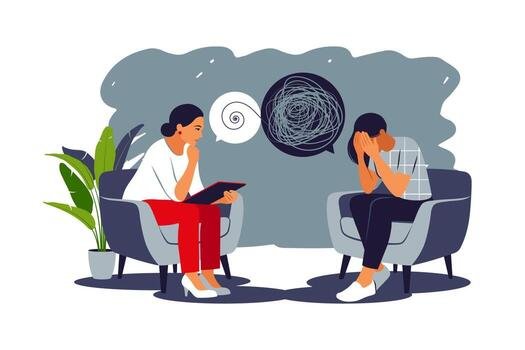
Complete Your Journey with Al-Huda Digital
Support is not just about talking. It is about understanding your thoughts, emotions, and direction in life, together in one place.
Need Guidance? Islamic Learning & Quran Support
Structured guidance to help learners build consistency, clarity, and confidence in their Islamic education.
Support includes:
Quran reading and Tajweed improvement
Arabic alphabet and basic reading skills
Memorization (Hifz) support and revision
Support for children, beginners, and re-learners
Want to Earn from Home? Learn Digital Skills
Turn your knowledge into income. Our digital skills courses help you:
-
Start freelancing and earn online
-
Build websites and design graphics
-
Learn SEO and social media marketing
-
Start your own online business
Perfect for students, housewives, and graduates.
Frequently Asked Questions
Our Frequently Asked Questions section provides clear, simple answers about online counseling and therapy. It helps you understand how sessions work, what to expect, and how we support emotional well-being in a private and structured way.
Yes. Neuroscience research shows that pornography and compulsive online sexual behaviors affect the brain similarly to substance addictions. The same dopamine pathways are involved. The same withdrawal symptoms occur. It is a real addiction.
Yes. Absolutely yes. Allah's mercy is greater than any sin. The Prophet PBUH said, "A servant committed a sin and said, 'O Allah, forgive my sin.' Allah said, 'My servant has committed a sin and knows that he has a Lord who forgives sins and punishes for them.'" (Sahih Bukhari)
The key is sincere repentance and taking steps to change. Seeking counseling is part of that change.
No. Our counselors are trained professionals. They have worked with many clients struggling with the same issue. Nothing you say will shock them. Their job is to help, not to judge.
Every person is different. Some see significant improvement in 2 to 3 months. Others need 6 to 12 months. Your counselor will work at your pace.
Relapse is common in addiction recovery. It does not mean you have failed. Your counselor will help you learn from the relapse and adjust your strategy. Do not let shame stop you from returning to sessions.
This depends on your situation. Your counselor will help you decide. In some cases, honesty is necessary for healing. In other cases, it may cause unnecessary harm. This decision is made carefully with professional guidance.
No. Women also struggle with digital intimacy addiction. Our counselors include female counselors who specialize in this area. Women are welcome and encouraged to seek help.
If you are over 18, your sessions are completely confidential. We do not share information with anyone without your permission. If you are under 18, we recommend involving a trusted parent, but we can discuss your specific situation.