
The first session is only $4.
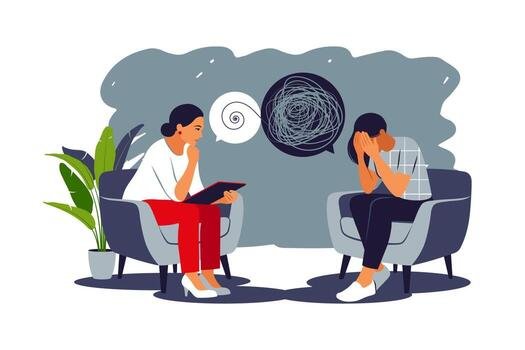
Counseling for mental health can help you feel more stable, clear-headed, and get the structured psychological support you need.
Clinical mental health counseling that focuses on emotional distress, finds underlying cognitive and behavioral patterns, and gives structured therapeutic interventions that make daily life easier and help people become more mentally strong. This service helps people with anxiety, depression, stress dysregulation, and relationship problems by using counseling methods that have been shown to work.
What is counseling for mental health, and why is it important?
Mental health counseling is a type of therapy that is organized to address psychological distress, bad thought patterns, and trouble controlling emotions. Then, it uses targeted interventions to make mental health more stable and functional.
Why it matters:
Reduces long-term anxiety, depression, and feeling overwhelmed by emotions
When you're stressed, it helps you think more clearly and make choices.
Helps you keep your feelings and urges in check
Helps people talk to each other and set limits in a better way
Makes work, relationships, and everyday life easier
Counseling that is private, well-organized, and goal-oriented
Clinical intake and psychological pattern assessment
Making plans for treatments based on evidence that are tailored to the symptoms
Ways to change how you think and act
Checking on progress and changing strategies regularly
Counseling that is private, well-organized, and goal-oriented
Clinical intake and psychological pattern assessment
Making plans for treatments based on evidence that are tailored to the symptoms
Ways to change how you think and act
Checking on progress and changing strategies regularly
The only planned one-on-one counseling session set up this way
1. A safe and private space
You can talk freely during all sessions because they are held in a safe place. Your privacy is completely respected.
2. Knowing What Your Issues Are
To get a better idea of your situation, we start by figuring out what problems you're having, such as emotional issues, stress, or life challenges.
3. Planning with a Goal
We work together to set goals that are realistic and can be measured. These goals will help you on your counseling journey and keep track of how far you've come.
4. Things you can do to make things happen
You can use the helpful tips and personalized advice from each session right away to feel better emotionally.
5. Advice from an expert that is tailored to you
Our counselors are trained professionals who also know what you need, so they can give you advice and strategies that will help you.
6. Help and growth that never ends
Our main goal is to help you get better over time by giving you skills, clarity, and balance that last after each session.
Things that marriage counselors can help with
-
Mental health counseling helps people with mental health issues that affect their thoughts, feelings, actions, and relationships.
-
Mood swings, problems with controlling emotions, and long-term stress responses
-
Thoughts that get in the way, negative thought patterns, and cognitive distortions
-
Avoidance behaviors, compulsive coping strategies, and functional impairment
-
Having relationship problems, feeling insecure about attachments, and not being able to talk to each other
Our Counseling Method: Clear, Organized, and Useful
Good counseling isn't about giving random advice or short-term comfort. It is a planned process that will help you understand your thoughts, manage your feelings, and make better decisions.
Our approach is based on three main things:
Clarity
Before anything can improve, it must be understood. We help you break down what you’re experiencing so it becomes clear, not overwhelming.
Awareness
Patterns in thinking and behavior often operate unnoticed. Identifying these patterns is essential for meaningful change.
Action
Insight without action leads nowhere. Each session is designed to give you practical steps you can apply in your daily life.
This approach works because it is not tied to a single method or theory. It is focused on what actually helps you move forward, mentally, emotionally, and practically.
Why Choose Al Huda Digital Solutions
Al Huda Digital Solutions: Same counselor every time
Other Platforms: Counselor may change often
Al Huda Digital Solutions: 1:1 live real conversation
Other Platforms: App-based matching system
Al Huda Digital Solutions: Personal and consistent support
Other Platforms: System-driven support
Al Huda Digital Solutions: Understands your full situation
Other Platforms: Standard approach for everyone
Al Huda Digital Solutions: Affordable and fair pricing
Other Platforms: Usually higher subscription cost
Al Huda Digital Solutions: Respects your beliefs and context
Other Platforms: General global approach
Al Huda Digital Solutions: Free guidance support included
Other Platforms: Limited extra support
What to Expect from Counseling
Recurring Arguments That Never Resolve
Clients often come in after months or years of repeating the same fights. In sessions, the exact structure of these arguments is broken down, what triggers them, how escalation happens, and where communication fails.
You begin to recognize predictable patterns instead of seeing each conflict as a separate issue. This shifts the focus from “winning arguments” to interrupting the cycle itself.
Emotional Disconnection Despite Staying Together
Some couples are not fighting; they are disconnected. Conversations become transactional, and emotional intimacy disappears.
Sessions explore how emotional withdrawal developed, what each partner avoids expressing, and how unmet needs are indirectly communicated. The outcome is not forced closeness, but a clearer understanding of emotional gaps and whether they can realistically be bridged.
Trust Damage After Certain Events
The problem is usually not just the event itself, but the loss of psychological safety that comes with dishonesty or betrayal.
Counseling is all about:
What specifically was broken (not just "trust" in general)
If there is accountability or not
If it is possible to rebuild structurally
Clients find out if repairs are possible or if staying involved is making things worse.
Effort on Only One Side of the Relationship
In a lot of cases, one partner tries to fix the relationship while the other stays passive or fights back.
Sessions look at behavioral imbalance:
Who starts conversations
Who doesn't take responsibility
How work is divided
This makes it easier to tell if the relationship is stable or fundamentally unbalanced.
Not sure whether to stay or go
Some clients don't want to fix their marriage; they just want to know if it should end.
Instead of making decisions based on feelings, sessions focus on:
Looking at patterns instead of one-time events
Figuring out what is non-negotiable and what is flexible
Comprehending the long-term consequences of both options
The result is a choice made with clear thinking, not stress or a passing feeling.
Who Should Use This Marriage Counseling Service?
People Who Are Having Trouble with Their Relationships
- You think you're the only one who is trying to talk to or fix things.
- You don't say what you're worried about because conversations get out of hand quickly.
- You don't know if your hopes are realistic or not.
Cases of Uncertain Decisions
- You are thinking about breaking up, but you aren't sure or are torn.
- You stay in the relationship because of outside forces like family, kids, or social expectations.
- You don't know if the relationship can be fixed or if it just doesn't work.
Cases of Trust and Breaking Boundaries
- There has been lying, keeping secrets, or breaking an agreement.
- One partner keeps crossing lines that have been clearly drawn.
- You don't know if you can or should rebuild trust.
Couples Who Keep Having Fights
- You keep arguing about the same thing without concluding.
- Minor disagreements turn into fights that are too big.
- Communication becomes criticism, defensiveness, or silence.
Options for flexible scheduling (available worldwide)
We have flexible appointment times that work for clients in different time zones:
In North America (the US and Canada), there are sessions available all week long in the early morning, during the day, in the evening, and late at night.
UK/Europe: There are slots available every week in the morning, afternoon, and evening.
Middle East: There are several time slots available during the day on weekdays.
In South Asia (Pakistan and India), you can schedule full days on weekdays.
Australia and New Zealand: Weekdays are open in the morning, evening, and night.
Scheduling is meant to make things easier for clients so they can get help without having to stop working, studying, or taking care of family duties.
How Counseling Online Works
We have made it easy for you to start your journey toward emotional balance and clarity. Just do these three things:
Step 1
Book Your Session:
Choose a convenient time for a private, secure online appointment.
Step 2
Connect with Your Counselor
Speak openly in a safe, judgment-free environment tailored to your needs.
Step 3
Receive Personalized Guidance:
Identify challenges, set goals, and apply actionable strategies for real results.
Complete Your Journey with Al-Huda Digital
Support is not just about talking. It is about understanding your thoughts, emotions, and direction in life, together in one place.
Need Guidance? Islamic Learning & Quran Support
Structured guidance to help learners build consistency, clarity, and confidence in their Islamic education.
Support includes:
Quran reading and Tajweed improvement
Arabic alphabet and basic reading skills
Memorization (Hifz) support and revision
Support for children, beginners, and re-learners
Want to Earn from Home? Learn Digital Skills
Turn your knowledge into income. Our digital skills courses help you:
-
Start freelancing and earn online
-
Build websites and design graphics
-
Learn SEO and social media marketing
-
Start your own online business
Perfect for students, housewives, and graduates.
Frequently Asked Questions
Our Frequently Asked Questions section provides clear, simple answers about online counseling and therapy. It helps you understand how sessions work, what to expect, and how we support emotional well-being in a private and structured way.
Yes. All sessions are strictly confidential and follow professional ethical standards.
Sessions are conducted online in a structured format, focusing on specific issues rather than open-ended conversation.
Clarity often begins within the first few sessions, especially when identifying patterns. Behavioral change depends on consistency and participation.
Yes. Individual sessions can still provide clarity, behavioral insight, and decision-making support.
No. The process is guided and structured, requiring no prior exposure to therapy.
This approach is focused, structured, and goal-oriented, specifically addressing emotional readiness, decision-making, and relational clarity rather than broad, open-ended discussion.