
2-Day Free Trial
Master Islamic Manners Online Classes | Live 1-on-1
Learn Islamic manners and etiquette through personalized 1-on-1 online classes. Suitable for all ages, our live sessions teach practical Adab for daily life, helping you or your children embody respect, kindness, and proper conduct with confidence.
What Are Islamic Manners Online Classes?
Islamic Manners Online Classes are structured, live courses designed to teach the prophetic adab (etiquette) that shapes a Muslim’s character. Unlike generic character education, this course focuses on authentic duas, sunnah actions, and everyday behaviors—from entering the home to greeting others. Students learn not just what to say, but how to act with sincerity and awareness of Allah.
Each session is one-on-one with a trained instructor who corrects pronunciation of duas, explains the wisdom behind each manner, and connects actions to Islamic values. No pre-recorded lectures. No group distractions. Just real, applicable learning.
Why Islamic Manners Matter Problems This Course Solves
Many Muslims grow up knowing what to do (pray, fast, give charity) but struggle with how to do it in a way that reflects good character. Common problems include:
-
Inconsistent adab at home – Children (and adults) forget duas for eating, sleeping, or sneezing. Islamic manners turn into habits that people do sometimes, not all the time.
-
Feeling embarrassed in social situations: Not knowing how to greet older people, visit sick people, or sit properly in a group can make things awkward or disrespectful on purpose.
-
Weak link between faith and actions: People do things like getting dressed, going places, and using the bathroom every day without thinking about Allah, which means they miss out on spiritual rewards.
-
Confusion from different sources; A lot of online videos mix Islam with other cultures. This course teaches clear, evidence-based advice from the Quran and authentic hadith.
This course replaces frustration with clarity, inconsistency with routine, and forgetfulness with lifelong skill.
What This Course Will Teach You
Module 1: Foundations of Adab
Adab is more than just “good manners.” In Islam, the way we speak, behave, and treat others can become an act of worship when done sincerely for Allah. This module introduces students to the meaning of Adab, Akhlaq, and beautiful character, and shows how good manners are deeply connected to faith, the Quran, and the love of Allah.
Students will learn about the character of the Prophet ﷺ as the best example to follow, reflect on the hadith, “The best among you are those with the best manners,” and understand how intention, or niyyah, can turn everyday actions into worship.
Module 2: Manners with Allah
This module focuses on how a Muslim shows respect, humility, and love towards Allah in worship and daily life. Students will explore the Adab of salah, du’a, Quran recitation, and remembrance, learning that worship is not only about what we do but also how we do it.
They will reflect on saying Bismillah, Alhamdulillah, and Insha’Allah with meaning rather than habit, and learn how gratitude can become a daily practice that strengthens the heart.
Module 3: Manners with Family
The home is often the place where good manners are needed most, yet sometimes practiced the least. This module teaches students how Islamic Adab begins with the people closest to us: our parents, siblings, spouses, and family members.
Students will learn about the rights and love of parents through the Quran and Sunnah, how to disagree respectfully, how to show kindness within family relationships, and how a Muslim home should be built on mercy, patience, and care, not control or harshness.
Module 4: Manners in Society
A Muslim’s character should be visible wherever they go. This module teaches students how to carry themselves with dignity and kindness among neighbours, teachers, elders, strangers, colleagues, and the wider community.
Students will learn the importance of giving salam, seeking permission before entering others’ spaces, respecting elders, showing care to the young, and avoiding harmful behaviours such as backbiting, mocking, suspicion, and speaking badly of others.
Module 5: Daily Adab: Food, Dress & Speech
Islamic manners are found in the small moments of everyday life. How we eat, drink, dress, speak, and respond to others all reflect the state of our character and our connection to the deen.
This module covers the Sunnah etiquette of eating and drinking, dressing with modesty and dignity, controlling the tongue, speaking truthfully and kindly, responding to a sneeze, entering a room properly, and giving salam with sincerity.
Module 6: Digital & Modern Manners
This module brings Islamic Adab into the modern world. Students will learn how the same values of modesty, honesty, privacy, patience, and wisdom apply online just as much as they do offline.
Topics include online speech, social media behaviour, backbiting through messages or screenshots, respecting privacy, responding calmly during online disagreements, managing screen time, and making space for dhikr and reflection in a digital age.
Our Teaching Methodology
We do not use generic worksheets or passive videos. Every lesson follows the See – Learn – Practice – Apply model.
See – Instructor demonstrates the manner (e.g., how to knock before entering).
Learn – Student recites related dua and understands the wisdom (e.g., “Knocking gives privacy”).
Practice – Role-play real scenarios (e.g., greeting a neighbor, answering the phone).
Apply – Weekly small challenges (e.g., “Say Bismillah before every meal for 3 days”).
Instructors track progress with a simple checklist for each adab. Mistakes are corrected gently, and repetition is built into every session. Parents receive brief after-class notes for kids under 12.
Course Details
| Detail | Information |
|---|---|
| Course Duration | 3 to 6 months (depending on student pace) |
| Class Frequency | 5 days per week (Monday to Friday) |
| Class Duration | 30 minutes per session |
| Class Type | 1-on-1 Live Online |
| Teachers | Male & Female Available |
| Age Group | Adults |
| Language | Urdu / English / Arabic |
| Certificate | Yes, upon completion |
| Free Trial | 2 Days Free Trial |
Why Choose Al-Huda Digital Solutions
The goal of Al Huda Digital Solutions is to be honest, open, and give people power.
Teachers who care about their students and are qualified have learned Quranic sciences and how to teach in a way that is good for kids.
Fees that are fair and make sense: your payment helps pay for the education of a child who can't afford it.
We don't get any money or gifts from anyone else. Tuition is the only thing that pays for girls' free education at Madrasa Khadija-tul-Kubra.
Classes are available every day of the week, from morning to night, so you can pick a time that works for you.
You can see how we teach before you sign up for a free trial class.
Empowerment is our main goal: We help women and girls learn and make money from home, which is what we do best.
You don't just learn the Quran when you choose us. You are joining a legacy that makes a difference in people's lives.
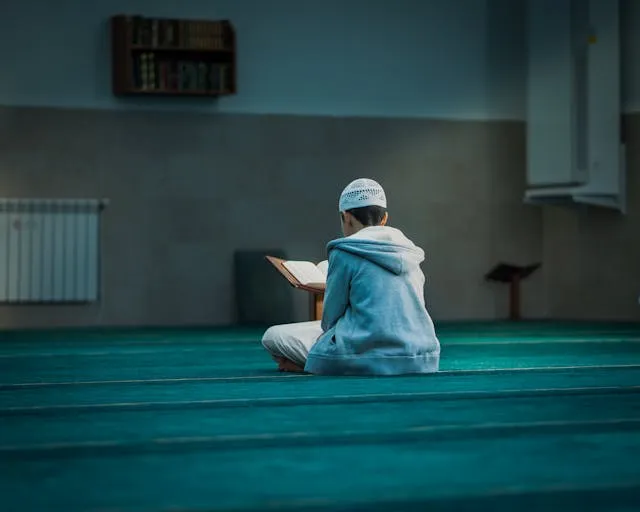
What a Typical Islamic Manners Class Looks Like
Every session is live, one-on-one, and highly interactive. Our teachers do not just lecture; they guide, correct, and encourage. Here is what happens in a standard class:
Class Structure:
The teacher talks about how to behave in public.
The student does guided exercises to get better at examples.
The teacher gives advice and makes changes right away.
The student is polite when they are role-playing or doing things in real life.
The teacher gives the students practice before the next class to help them remember what they learned.
Teaching Method:
The teacher introduces the specific manners or etiquette topic
The student practices examples through guided exercises
The teacher provides real-time corrections and guidance
The student applies the manners in role-play or daily situations
The teacher assigns practice to reinforce the lesson before the next session
Who Should Enroll in This Course?
Kids 4 years old and up
What You Learn: Fun and interesting lessons that teach young kids how to act and behave in an Islamic way. Activities use real-life examples, simple lessons, and learning by doing to keep people's attention. The teachers are kind and patient, and the sessions are short and planned to fit the kids' attention spans.
Learning Outcomes: Kids will learn the basics of Islamic manners and how to use them in their daily lives. They will also learn how to be kind, respectful, and understanding toward their family and friends.
Adults (Getting Started)
What is Taught: A program that is simple for beginners to understand and starts with the very basics of Islamic manners and etiquette. Adults can learn at their own pace and fit lessons into their busy lives because they are flexible.
Learning Outcomes: Adults will learn the basics of Islamic behavior and ethics, how to act properly in everyday situations, and how to be more sure of themselves when they follow Islamic rules.
Dads and Moms
What is Taught: Parents and kids work together in interactive sessions to learn, fix their own mistakes, and reinforce Islamic manners at home.
Learning Outcomes: Parents will be able to teach their kids how to act, help them learn, and make their home a safe place for them to grow spiritually and behaviorally.
Reverts (people who have just become Muslims)
What is Taught: A class just for new Muslims that teaches them basic Islamic etiquette, the Arabic alphabet, and how to read the Quran. Most of the lessons are about learning the basics and building confidence.
Learning Outcomes: Reverts will learn about how to behave in Islam, start reading the Quran with confidence, and use Islamic manners in their everyday lives.
A class schedule that works for you (available all over the world)
There are slots open every day of the week in the early morning, afternoon, evening, and late at night in the US and Canada.
Sessions are available in the UK and Europe every day of the week, in the morning, afternoon, and evening.
Middle East: Classes are available all day, five days a week.
Pakistan and India are open all day, five days a week.
Five days a week in Australia and New Zealand, with sessions in the morning, evening, and night.
A Learning Plan Just for You
Choose a schedule that fits your needs and goals, whether that means taking two, three, four, or five classes a week.
In a few minutes, it will begin.
We have made it easy for you to begin your learning journey. All you have to do is these three simple things:
Step 1
Choose Your Course
Check out our selection of online Quran and Islamic courses, Noorani Qaida programs, Tajweed classes, and professional Islamic studies. Pick the class that will help you reach your spiritual and learning goals.
Step 2
Register Online
You can apply right away by filling out our simple registration form. Fill out your information, and our system will match you with the right teacher. Get instant confirmation and clear steps on how to start.
Step 3
Learn & Grow
You can begin learning from home at your own speed. Get organized lessons, live classes with personal attention, interactive exercises, and help from experts with reading the Quran, learning Tajweed rules, and Islamic knowledge.
Complete Your Journey with Al-Huda Digital
This is just the beginning of your journey to learn the Quran. We at Al-Huda Digital believe that everything should grow.
Need Guidance? Try Our Counseling Services
Life comes with challenges. Our professional Islamic and psychological counseling services provide support for:
-
Stress, anxiety, and depression
-
Marriage and family issues
-
Spiritual guidance
-
Parenting challenges
*Get 1-on-1 confidential sessions with qualified counselors.*
Want to Earn from Home? Learn Digital Skills
Turn your knowledge into income. Our digital skills courses help you:
-
Start freelancing and earn online
-
Build websites and design graphics
-
Learn SEO and social media marketing
-
Start your own online business
Perfect for students, housewives, and graduates.
Frequently Asked Questions
Our Frequently Asked Questions section is designed to give you clear and simple answers about learning the Quran, Islamic studies, and online education. Many students and parents ask about our courses, teaching methods, fees, and how to get started.
Here you’ll find short, easy-to-read answers to common questions, whether you're a parent looking for Quran classes for your child, an adult beginner wanting to learn Tajweed, or someone interested in Islamic studies.
Yes. All duas are taught with transliteration, English translation, and simple pronunciation tips. No prior Arabic knowledge needed.
This course is specifically Islamic. Every manner is linked to Quran, hadith, or prophetic example. You learn why Muslims say Alhamdulillah after sneezing—not just the words.
Absolutely. We do not shame. Our instructors focus on gradual replacement of bad habits with sunnah alternatives, using private, non-judgmental coaching.
Yes. We have tiered pricing for monthly packages, and our beginner track is priced lower for the first 8 weeks. Contact support for current rates.
Yes. Our 1-on-1 format removes peer pressure. Instructors start with non-verbal manners (e.g., nodding, smiling) and build up to speaking duas over 3–4 sessions.
Yes. Upon completing each level (Beginner, Intermediate, Advanced), students receive a digital certificate. Parents get monthly progress reports for children.